Vintage Dreams: Capturing 70s Groove in Your Designs
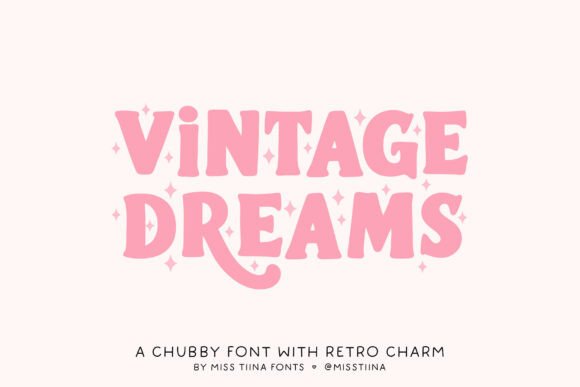
There's a particular feeling you get when you see a design that just nails the retro vibe. It's not just about old colors or faded textures; it's about a typeface that feels like it was lifted straight from a 1972 concert poster or a funky cereal box. That's the exact energy the Vintage Dreams font brings to the table. This isn't a subtle, quiet typeface. It’s a bold, “chubby” display face with thick, rounded forms and psychedelic-inspired curves that immediately command attention. Think of it as the typographic equivalent of a lava lamp—full of personality, a little playful, and impossible to ignore.
The Anatomy of a Groovy Typeface
What makes Vintage Dreams so distinct? At its core, it’s a heavy-weight display font. The letters are generously proportioned with soft, rounded terminals that give it a friendly, approachable quality despite its size. The curves have a subtle, almost liquid flow, reminiscent of the psychedelic art movement. This combination of heft and softness is key. It allows the font to be impactful without feeling aggressive. When you use it, you're not just adding text; you're injecting a specific, nostalgic mood into your project. It’s a creative font that understands its role is to set a scene, not to write a novel.
Where Vintage Dreams Truly Shines
This typeface excels in projects where personality and nostalgia are the main goals. Its natural habitat is in retro-themed posters, funky apparel designs, and vintage-style packaging. Imagine it on a music festival lineup poster, where its bold presence can anchor the entire design while thinner sans-serifs handle the schedule details. Picture it as the logo for a retro-themed cafe or a vinyl record shop, instantly communicating a vibe of curated cool. It’s also a fantastic choice for bold book covers, especially in genres like historical fiction or quirky memoirs that benefit from a touch of vintage flair.
Beyond pure retro projects, Vintage Dreams can add a surprising twist to more contemporary designs. Used sparingly, it can serve as a powerful accent in social media graphics to highlight a key message. In editorial design, it can create striking pull quotes or section headers that break up the monotony of body text. For packaging design, especially for artisanal goods, craft beverages, or specialty foods, it can evoke a sense of heritage and handcrafted quality. The key is understanding its personality—it’s a showstopper, not a workhorse.
Pairing and Practicality: Making It Work
A font this expressive requires a thoughtful approach to font pairing. The goal is contrast and balance. Vintage Dreams works exceptionally well when paired with thin, geometric sans-serif fonts. This creates a striking visual hierarchy where the “chubby” display text does the heavy lifting for headlines, and the clean sans-serif ensures body copy remains highly readable. Avoid pairing it with other ornate serif fonts or complex script fonts, as the designs will compete for attention and create visual clutter.
Color is your next lever. Leaning into 70s-inspired palettes will amplify the font's inherent style. Think mustard yellows, burnt oranges, avocado greens, and warm browns. These colors feel authentic to the era and complement the font's rounded forms. For a more modern take, try pairing it with a stark black-and-white scheme for high contrast, or with muted pastels for a softer, nostalgic feel. Adding a subtle “grain” or “noise” texture to your background can also enhance the vintage, printed-on-paper aesthetic, making the typeface feel even more integrated into the design.
A Practical Guide for Designers and Creators
Before you dive in, consider a few practical points. First, always test the font at the size you intend to use it. While it’s built for display, ensuring its legibility at smaller scales in your specific layout is crucial. Review the full character set of the premium font you purchase—look for stylistic alternates, ligatures, or additional glyphs that can add unique flair to your work. This is part of the value in investing in a quality commercial font.
Licensing is another key consideration. If you're using Vintage Dreams for a client's brand identity, merchandise, or any commercial product, ensure you have the appropriate license. Most design assets come with clear terms. Using a font properly licensed for commercial use is a non-negotiable part of professional practice. Finally, think about your audience. The nostalgic appeal of this font resonates strongly with adults in the 20-50 range who have a fondness for mid-century and 70s aesthetics, making it perfect for targeting that demographic in marketing and product design.
In the end, Vintage Dreams is more than just a collection of glyphs. It's a tool for storytelling. It allows designers, entrepreneurs, and creators to instantly evoke a specific time and feeling. When used with intention—paired wisely, colored thoughtfully, and applied to the right projects—it can transform modern designs into timeless pieces of retro art. It’s a celebration of a bold, joyful era in modern typography, and it’s ready to bring that energy to your next project.