Vinyl Club: Capturing Retro Charm in Modern Design
There’s a distinct energy that comes with retro design—a blend of nostalgia, warmth, and bold personality. If you’ve ever wanted to channel that feeling into your projects without resorting to overused or generic typefaces, the Vinyl Club premium font offers a compelling solution. It’s a stylish retro script font designed to bridge the gap between vintage appeal and contemporary flair, making it a versatile asset for designers, entrepreneurs, and content creators looking to make a memorable impression.
A Typeface with Character and Flow
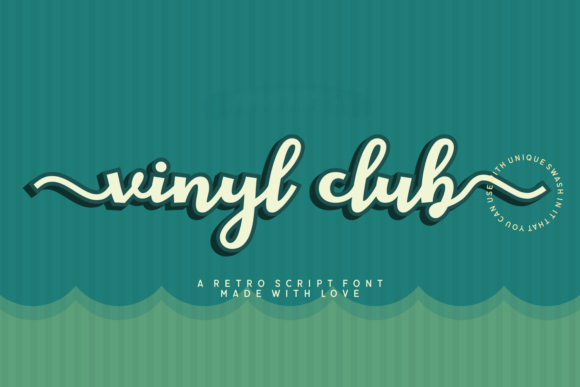
At its core, Vinyl Club is a display font with a clear retro script personality. Its letterforms are bold and flowing, carrying the kind of confident movement you’d expect from hand-painted signage or classic album covers. What truly sets it apart are the unique swashes that extend from the “v” and “b”—a subtle but effective design touch that adds a playful, sophisticated flair. This isn’t just another script font; it has a distinct voice that feels both lively and polished.
The visual presentation often features a classic cream color with dark shadows against a teal background, a combination that immediately enhances its retro appeal. This color treatment isn’t just for show; it demonstrates how the typeface can anchor a vintage aesthetic. However, Vinyl Club is more than its default styling. Its strength lies in its adaptable structure, allowing it to shine in modern typography contexts when paired thoughtfully with cleaner elements like a sans serif font for body text.
Where Vinyl Club Truly Shines: Practical Applications
Understanding where a font works best is key to using it effectively. Vinyl Club isn’t a one-size-fits-all solution, but for the right project, it can be transformative. Its high-impact, decorative nature makes it ideal for projects where a headline or logo needs to carry significant visual weight.
- Logo Design & Brand Identity: For brands aiming for a vintage, artisanal, or playful identity—think craft breweries, retro diners, boutique record shops, or independent coffee roasters—Vinyl Club can form the cornerstone of a strong brand identity. It instantly communicates a specific mood and personality.
- Editorial & Packaging Design: In editorial design, it’s perfect for magazine covers, chapter titles, or pull quotes that need to grab attention. Similarly, in packaging design, it can make product names pop on labels for sauces, craft goods, or specialty foods, conveying authenticity and quality.
- Digital & Social Media: The font’s bold character translates well to digital screens. Use it for impactful social media graphics, YouTube thumbnails, podcast covers, or website hero sections where you want to establish a strong visual hook. It’s a creative font that can stop the scroll.
- Events & Print Collateral: From wedding invitations and event posters to business cards and merchandise, Vinyl Club adds a layer of charm and professionalism to physical design assets.
Making It Work: Strategy and Practical Guidance
Choosing a font is a strategic decision that influences more than just aesthetics; it affects readability, hierarchy, and how your audience perceives your brand. Here’s how to approach Vinyl Club thoughtfully.
Evaluating Fit and Readability
First, assess your project’s goals. Is the primary aim to evoke nostalgia, fun, or artisanal quality? If so, Vinyl Club is likely a strong candidate. Remember, as a display font, it’s optimized for headlines, logos, and short bursts of text. Its flowing script style means it’s not suited for long paragraphs or small body copy, where a clean serif font or sans serif font would ensure better readability. Always test it at the intended size to ensure its decorative details remain clear and legible.
Mastering Font Pairings
The real magic happens when you pair Vinyl Club with complementary typefaces. A balanced font pairing creates visual hierarchy and maintains professionalism. Because Vinyl Club is so expressive, it pairs exceptionally well with simpler, geometric sans serifs or transitional serifs. For example, use Vinyl Club for your main headline and pair it with a font like Open Sans, Lato, or a classic serif like Georgia for subheadings or body text. This contrast allows the script’s personality to shine without overwhelming the design.
Licensing and Final Checks
Before integrating any commercial font into a client project or commercial product, always review the licensing agreement. Ensure the license covers your intended use—whether for digital ads, printed merchandise, or software embedding. Most premium fonts, including quality offerings like Vinyl Club, offer clear commercial licenses. Taking this step protects you and your client and ensures you’re using the asset legally and ethically.
In a design landscape crowded with options, Vinyl Club stands out as a thoughtful design asset. It offers a specific, well-executed aesthetic that can elevate projects requiring a touch of retro sophistication. By understanding its strengths, testing its applications, and pairing it wisely, you can leverage this typeface