Toonfill: A Typeface That Brings Drawings to Life
Finding a typeface that captures a specific, high-energy mood can be a game-changer for a project. You need something that feels custom-drawn, full of personality, and ready to make an immediate impact. This is where Toonfill steps in. It’s a bold, hand-drawn display font designed to inject a dose of cartoonish fun and creative energy into your work. Forget sterile, generic letterforms; Toonfill is all about character, texture, and a distinctively crafted, comic-book aesthetic.
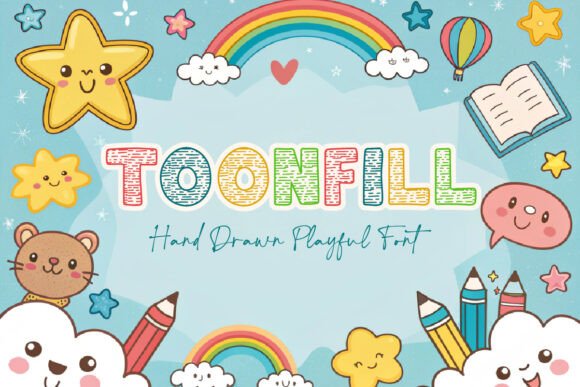
At its core, Toonfill is a premium font built on a foundation of chunky, confident strokes. Each letterform looks as if it was carefully drawn with a marker and then filled with playful cross-hatch lines. This unique fill isn't just a texture; it's the soul of the typeface, creating a lively, tactile quality that feels both organic and intentional. The result is a display font that doesn't just sit on the page—it jumps off it, radiating a lighthearted and colorful personality. As a standard vector typeface, it ensures crisp, clean edges at any size, making it a versatile and reliable design asset.
Where Your Projects Come Alive
The true strength of a creative font like Toonfill lies in its application. It’s not a workhorse for body text; it’s a specialist, a headline-grabber, and a mood-setter. Its bold, graphic nature makes it an exceptional choice for projects where visual impact is the top priority. Think about the cover of a children's book, the header of a playful poster, or the title on a set of stickers. In these contexts, Toonfill shines, immediately communicating fun, imagination, and approachability.
Beyond the obvious, consider how it can elevate other areas of modern typography and design. For packaging design on kids' products, snacks, or craft items, it can create a shelf presence that is both memorable and trustworthy. In editorial design, it can be used for pull quotes or section headers in magazines and blogs targeting a creative or family-oriented audience. Even in web design and social media graphics, a single word set in Toonfill can stop the scroll and inject personality into an Instagram post or a website banner. It’s a typeface that understands its role: to be the star of the show in any logo design, headline, or short-form branding element.
Practical Guidance for Designers and Creators
Choosing the right font is a strategic decision. When evaluating a commercial font like Toonfill, it’s about more than just aesthetics—it’s about fit, function, and future-proofing your design. Here’s how to approach it practically.
Evaluating Project Fit and Audience
First, ask yourself if the project's tone aligns with Toonfill's personality. Is the goal to be playful, energetic, youthful, or whimsical? If you're designing a formal annual report or a luxury brand's minimalist website, this isn't the right tool. But for a daycare center's branding, a summer camp poster, a comic book cover, or a YouTube channel for kids, it’s an ideal match. Understanding your audience is key. For projects targeting children, families, or anyone seeking a lighthearted vibe, Toonfill can significantly boost audience engagement by creating an instant, positive emotional connection.
Mastering Font Pairing and Hierarchy
A bold display font needs a partner that can handle the supporting role. The most effective font pairing for Toonfill is typically a clean, simple sans serif font or a highly readable serif font. A neutral sans serif like Montserrat, Open Sans, or Lato provides a modern, uncluttered contrast that lets Toonfill's personality pop without overwhelming the viewer. For a slightly warmer, more traditional feel, a sturdy serif like Merriweather or Lora can work well. Avoid pairing it with other highly decorative, script font, or handwritten font styles, as this will create visual chaos and destroy legibility. Use Toonfill for your primary headline, and let its paired font handle subheadings, body copy, and supporting text to establish a clear visual hierarchy.
Considering Legibility and Licensing
While Toonfill is designed for legibility at display sizes, it's wise to test it. Set your intended headlines and view them at the actual scale they'll be used—in a social media feed on a phone, on a printed poster from a distance, or on a website mockup. Ensure the cross-hatch texture remains clear and doesn't turn muddy. Remember, it includes uppercase A–Z only, so plan your messaging accordingly. For any project that will be sold or used to generate revenue, from a t-shirt design to a client's branding package, always confirm you have the appropriate commercial license. Respecting licensing is a cornerstone of professionalism and protects both you and your clients.
Beyond the Obvious: Unexpected Applications
While children's media and posters are natural fits, don't be afraid to think outside the box. Imagine using Toonfill for a bakery's chalkboard menu, giving it a handcrafted, friendly feel. It could be perfect for the branding of a local comic-con event, a playful podcast about animation, or even a creative agency's internal newsletter. For crafters and hobbyists, it's a fantastic asset for creating custom t-shirts, greeting cards, and party invitations with a professional, polished look. The key is to use it where a touch of crafted, cartoon-inspired energy will enhance the brand identity and connect with the intended viewer on a human level.
In a world saturated with clean, minimalist typography, a font like Toonfill offers a valuable alternative. It provides a way to communicate warmth, creativity, and approachability directly through letterforms. By using it thoughtfully and strategically, you can transform a standard layout into something memorable, engaging, and full of life.