Robinson: More Than Just Bubble Letters
Finding a typeface that genuinely captures a feeling of joy without looking amateurish is a rare find. When I first encountered the Robinson font, my initial thought was that it looked like a celebration. It is not merely a set of characters; it is a design asset that brings energy to the table. As a creative professional, I often see clients struggle to find typography that appeals to a younger demographic or conveys a sense of fun without sacrificing legibility. Robinson solves this by combining the structural integrity of a display font with the organic warmth of a handwritten font.
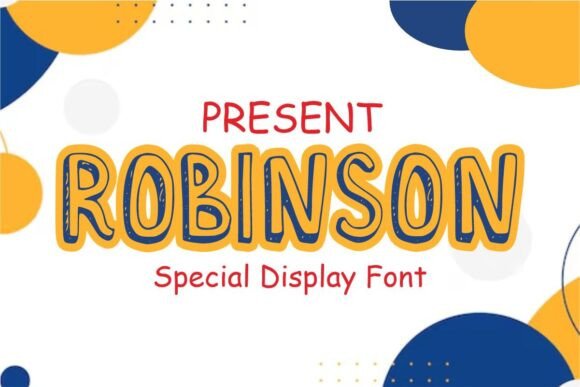
The visual style of this premium font relies on a "bubble" aesthetic. The letters have a rounded, inflated quality, similar to balloons or 3D lettering you might see in a mural. However, what prevents it from looking flat or static is the scribble texture integrated into the strokes. It gives the typeface a tactile, hand-drawn quality that feels authentic. It is the kind of font that looks great in bright colors, utilizing gradients or fills to enhance its three-dimensional appearance. This combination of cheerful bubble letters and a charming scribble effect makes it a standout choice for specific creative niches.
Strategic Applications for Modern Creators
Understanding where a font like Robinson fits into your workflow is key to good design strategy. It is not a workhorse for body text; rather, it is a specialized tool for headlines, logos, and graphic elements where personality is paramount. Here is how different professionals can leverage this creative font.
Publishing and Editorial Design
For authors and publishers, particularly in the children's book market, typography sets the mood before a single word is read. Robinson is perfectly suited for editorial design involving chapter headings, title treatments, and interior spot illustrations. It captures the imagination of young readers immediately. If you are working on a middle-grade novel or a picture book, using this font for the cover art creates an instant connection with the target audience. It signals that the story inside is an adventure.
Digital Presence and Social Media
In the fast-paced world of web design and social media graphics, stopping the scroll is the primary objective. Robinson is an excellent tool for creating high-impact call-to-action buttons or promotional banners. Because it is a display font, it commands attention. For lifestyle bloggers or content creators focused on family, parenting, or education, this font adds a layer of relatability. It breaks the monotony of standard sans serif font headers, adding a "pop" of personality that increases engagement.
Branding and Packaging
Brand identity is about perception. If your brand needs to communicate approachability, fun, and energy, Robinson fits the bill. It works exceptionally well for logo design and packaging design in the food, toy, or stationery industries. Imagine a candy wrapper or a birthday party invitation service; the Robinson font immediately sets expectations for a fun experience. However, for brand identity work, ensure the font is used consistently for specific touchpoints, such as sub-headers or product names, to maintain a professional look while retaining that whimsical charm.
Typography and Readability Considerations
As a designer, I always emphasize that style must coexist with function. While Robinson is visually striking, you must consider readability. Because of its decorative nature and "scribble" effect, it is best used for short bursts of text. Long paragraphs set in Robinson would be difficult to read and could overwhelm the viewer. This is where visual hierarchy comes into play.
When using Robinson, balance it with a clean, legible typeface. A classic serif font can provide an elegant contrast, while a geometric sans serif font will keep the layout modern and grounded. This practice of font pairing ensures that your design remains professional. You get the benefit of Robinson’s energy for your headlines, while the supporting font handles the heavy lifting of information delivery. This balance is crucial for maintaining professionalism and ensuring your message is actually consumed by the audience.
Practical Implementation Tips
Before you integrate Robinson into your next project, there are a few practical steps to ensure it works seamlessly. First, always check the commercial font licensing. If you are using this for commercial projects—such as merchandise, client work, or digital products sold online—you need to ensure you have the appropriate license. Using a font correctly protects you legally and supports the type designers who create these design assets.
Second, test the font in different sizes. A handwritten font like Robinson might look distinct at 72pt but could lose its character at 12pt. It is designed to be seen, so use it where it has room to breathe. Finally, experiment with color. While it looks good in black and white, the "Bubble Rainbow Scribble" nature of Robinson invites color. Whether you are using it for greeting cards or digital ads, don't be afraid to apply bold fills or gradients to the text to maximize its visual impact.
Ultimately, Robinson is a tool for connection. It bridges the gap between digital precision and human creativity. By using it thoughtfully, you can elevate your modern typography and create designs that not only look good but also feel genuinely engaging to your audience.