Handdrawn Blueprint: The Sketchy Typeface for Creative Energy
When a project calls for authenticity over polish, the typeface you choose does more than just convey words—it sets the entire mood. Handdrawn Blueprint is a prime example of a display font that carries significant personality. It captures the essence of a quick pencil sketch on graph paper, merging the technical feel of drafting with the warmth of a handwritten font. For designers, entrepreneurs, and creators, this typeface offers a way to communicate ideas that feel immediate, approachable, and genuinely human.
Anatomy of a Sketch: Visual Style and Characteristics
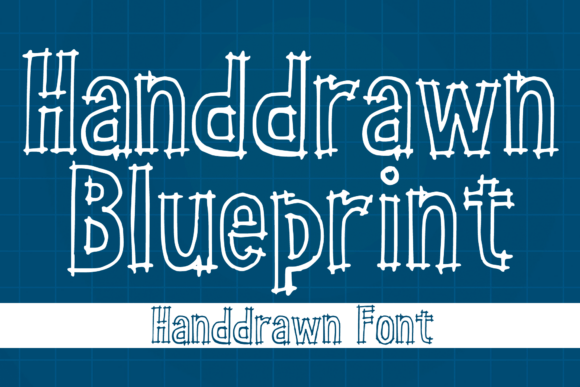
At its core, Handdrawn Blueprint is defined by its imperfections. Unlike a rigid sans serif font or a formal serif font, this creative font features loose, irregular strokes. You will notice subtle wobbles in the baselines and rough, textured edges on the letterforms. This creates an "in-progress" aesthetic that feels lively rather than static. It is a typeface that looks like it was drawn quickly with a technical pen, capturing the energy of the initial concept phase.
The design is intentionally airy. Because it functions as an outline font, the characters have an open, lightweight structure. This invites layering. You can easily drop a solid color behind the text or fill the letters with patterns without the design feeling heavy or cluttered. This versatility makes it a powerful asset in modern typography, where depth and texture are often prioritized. Whether you are working on web design or physical merchandise, the font retains a distinct cartoon-era charm that is hard to replicate with standard digital fonts.
Practical Applications: Where to Use This Typeface
The versatility of Handdrawn Blueprint allows it to fit into a wide range of projects, particularly those aiming for a fun, DIY, or technical-casual vibe. It is not a font for legal documents or long-form body copy; instead, it shines as a headline maker and attention grabber.
- Branding and Logo Design: For small businesses, especially those in creative industries, education, or artisanal goods, this font can form the backbone of a brand identity. It suggests that the brand is hands-on, creative, and approachable. A bakery, a maker space, or a design studio could use Handdrawn Blueprint to signal that they value the process as much as the product.
- Merchandise and Apparel: The sketchy nature of the font translates exceptionally well to physical products. It is ideal for t-shirt graphics, sticker packs, and tote bags. The rough edges give the prints a vintage or screen-printed look, adding value to the merchandise.
- Digital Content and Social Media: In the fast-paced world of social media graphics, stopping the scroll is essential. The unique texture of this typeface stands out against the clean, minimalist backgrounds often found on Instagram or Pinterest. Use it for bold cover titles, YouTube thumbnails, or blog headers to inject personality into your editorial design.
- Packaging Design: If you are designing for a product that needs to feel accessible and fun—such as snacks, craft supplies, or children's toys—this font works beautifully. It breaks the corporate stiffness often associated with packaging design.
Strategic Impact on Visual Communication
Choosing a font like Handdrawn Blueprint is a strategic decision that influences how your audience perceives your message. Typography is a silent ambassador for your brand, and this specific style communicates specific traits.
Accessibility and Tone: The informal nature of the font lowers the barrier to entry. It makes content feel less intimidating and more conversational. When used in marketing materials, it can make a brand feel friendlier and more relatable, which is crucial for audience engagement. However, it is important to balance this with professionalism. While it adds "DIY energy," it should be used in contexts where creativity is valued over corporate formality.
Visual Hierarchy: Because Handdrawn Blueprint is a display font, it commands attention. It naturally creates a strong focal point. Use it for your H1 headers, pull quotes, or call-to-action buttons. By pairing it with a clean, neutral typeface—such as a geometric sans serif font for body text—you create a pleasing contrast. This ensures readability while maintaining a dynamic visual hierarchy. The "sketchy" font draws the eye, while the standard font provides the necessary legibility for longer reading.
Designing with Handdrawn Blueprint: A Practical Guide
Integrating a premium font like this into your workflow requires a bit of testing to get the best results. Here are some practical tips for evaluating if Handdrawn Blueprint is the right fit for your current project.
Evaluating Project Fit: Ask yourself what emotion you want to evoke. If the answer is "precision," "luxury," or "serious authority," you might want to stick to a traditional serif or sans serif. If the answer is "creativity," "fun," "nostalgia," or "innovation," this font is likely a strong candidate. It works best when the content supports a narrative of creation or play.
Testing Readability: As with any handwritten font, size matters. Handdrawn Blueprint is designed for impact, so it performs best at larger sizes. Test it at the size you intend to use. If the text becomes too small, the irregular edges may blur, reducing legibility. Always view your designs on both high-resolution screens and printed mockups to ensure the texture remains clear.
Font Pairing Strategies: To maintain a professional look, avoid pairing this font with other highly decorative fonts. A script font or another textured display font will compete for attention and create visual chaos. Instead, let Handdrawn Blueprint be the star. Pair it with a robust, neutral workhorse font. A clean sans serif like Helvetica, Arial, or a modern grotesque often provides the best balance, allowing the sketchy headlines to pop without overwhelming the viewer.
Licensing and Assets: Before using the font in a commercial campaign, always verify the licensing terms. A commercial font license ensures you have the legal right to use the typeface in products for sale, client work, and digital advertising. Check if the font includes different weights or styles (such as bold or italic variations) to give you more flexibility in your design assets library.
Ultimately, Handdrawn Blueprint