Antigua: A Typeface for Timeless Sophistication
The Anatomy of Elegant Design
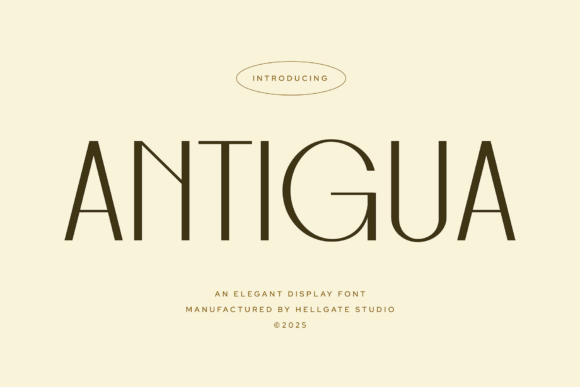
When you first encounter the Antigua typeface, there’s an immediate sense of quiet confidence. It doesn’t shout for attention the way some decorative fonts do, but it commands the room with an understated grace that feels both contemporary and classic. This is a font that understands the power of restraint—its letterforms are clean, its proportions are balanced, and every curve feels intentional.
What makes Antigua particularly interesting is its versatility across different weights and styles. The serif details are refined rather than ornate, giving the typeface a polished appearance without veering into stuffiness. Whether you’re working with uppercase headlines or flowing body text, the letter spacing feels natural and the overall rhythm of the text remains consistent. This kind of thoughtful craftsmanship is what separates a premium font from the hundreds of free alternatives floating around online.
The visual personality of Antigua leans toward sophistication with warmth. It’s not cold or clinical like some modern sans serif options, nor is it overly traditional like certain classic serif fonts. Instead, it occupies that sweet spot where elegance meets approachability—perfect for brands and projects that want to feel elevated but still human.
Branding and Identity Work
For logo design and brand identity projects, Antigua offers something genuinely valuable: instant credibility. I’ve seen it work beautifully for boutique hotels, artisan food brands, high-end cosmetics, and professional services. The typeface carries an inherent sense of trustworthiness and refinement that can elevate a brand’s visual presence without requiring extensive design gymnastics.
Consider using Antigua for fashion labels, wedding-related businesses, luxury goods, or any brand that positions itself as premium. Its character suggests quality and attention to detail—exactly the associations most businesses want customers to make.
Editorial and Publishing Applications
Magazine layouts, book covers, and editorial design projects benefit enormously from a typeface that balances readability with visual interest. Antigua handles both responsibilities gracefully. The letterforms remain legible at smaller sizes, which matters enormously for longer text passages, while the display versions create striking headlines that draw readers in.
Bloggers and content creators will find Antigua particularly useful for establishing visual hierarchy in their layouts. Pair it with a clean sans serif font for body text, and you’ve got a typographic system that feels professional without being sterile.
Digital and Print Flexibility
One of Antigua’s practical strengths is how well it translates across different media. Web design applications benefit from the font’s clean rendering at various screen resolutions, while print projects—think packaging design, business cards, stationery—get that crisp, high-quality output that comes from a properly crafted OTF file. Social media graphics look polished and intentional when set in Antigua, especially for quotes, announcements, or promotional content.
The font works equally well for personal projects like wedding invitations, holiday cards, or creative portfolio pieces. There’s a warmth to the letterforms that feels appropriate for intimate, celebratory contexts.
Evaluating Project Fit
Before committing to any typeface—including Antigua—spend time thinking about your project’s specific needs. What emotions should the typography evoke? Who’s your audience? What’s the context where they’ll encounter this text? A luxury real estate brochure has different typographic requirements than a children’s activity book, even if both projects could technically use the same font.
Antigua works best when your project calls for sophistication, professionalism, or understated elegance. It’s less suitable for projects that need to feel playful, edgy, or ultra-casual. Understanding these boundaries helps you make confident choices rather than forcing a beautiful typeface into an uncomfortable role.
Font Pairing Strategies
The real magic often happens when you combine Antigua with complementary typefaces. A clean geometric sans serif font creates a modern, balanced contrast that feels contemporary. Pairing it with a subtle script font or handwritten font can add personality without overwhelming the design hierarchy.
Test your combinations at different sizes and in actual content—not just the alphabet. How does the pairing handle numbers, punctuation, and longer passages? Does the visual weight feel balanced? These practical tests reveal more than any font specimen sheet ever could.
Readability and Licensing Considerations
Always preview Antigua in the specific context where it will appear. Test color combinations, background textures, and lighting conditions if you’re designing for physical environments. For digital projects, check rendering across different devices and browsers. The font’s clean construction generally handles these variations well, but verification prevents surprises.
Since Antigua is a commercial font, ensure you understand the licensing terms for your intended use. Most premium fonts offer different licenses for personal versus commercial applications, and some restrict usage across certain media types. Review these details before finalizing your design files—it’s a small step that prevents significant headaches later.
Building Professional Results
The difference between amateur and professional design often comes down to typographic choices. Antigua provides the kind of design asset that immediately signals competence and intentionality. When your audience encounters this typeface—whether on a website, product packaging, or marketing material—they absorb those associations subconsciously.
Invest time in learning how to use Antigua effectively. Experiment with different weights, explore the available styles, and practice creating clear visual hierarchies. The typeface gives you excellent raw materials, but thoughtful application transforms good fonts into memorable design.
Remember that great typography serves the content, not the other way around. Antigua’s strength lies in its ability to enhance your message without distracting from it. Use that quality wisely, and you’ll create work that resonates with your audience and stands the test of time.